Erica Brown


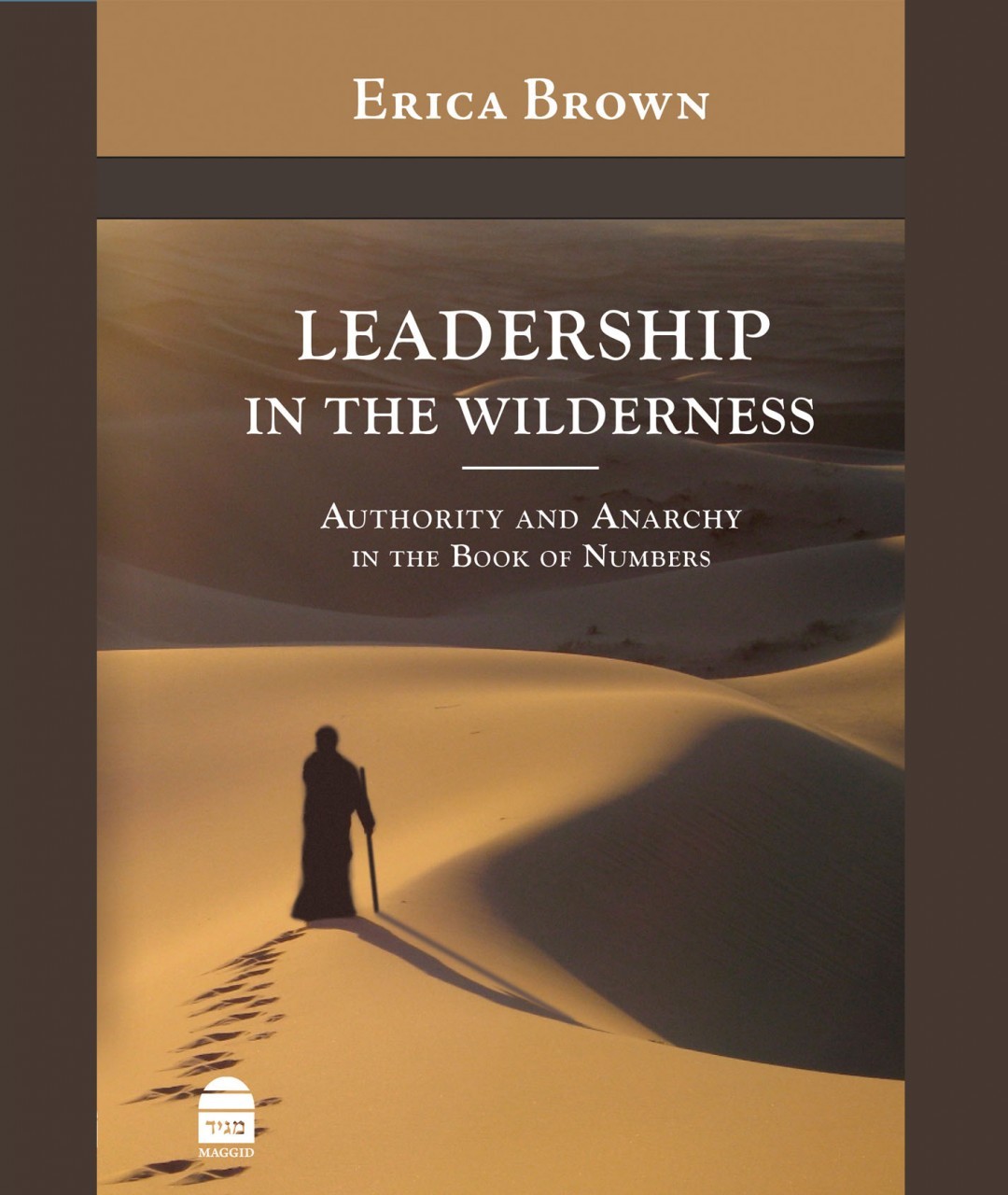
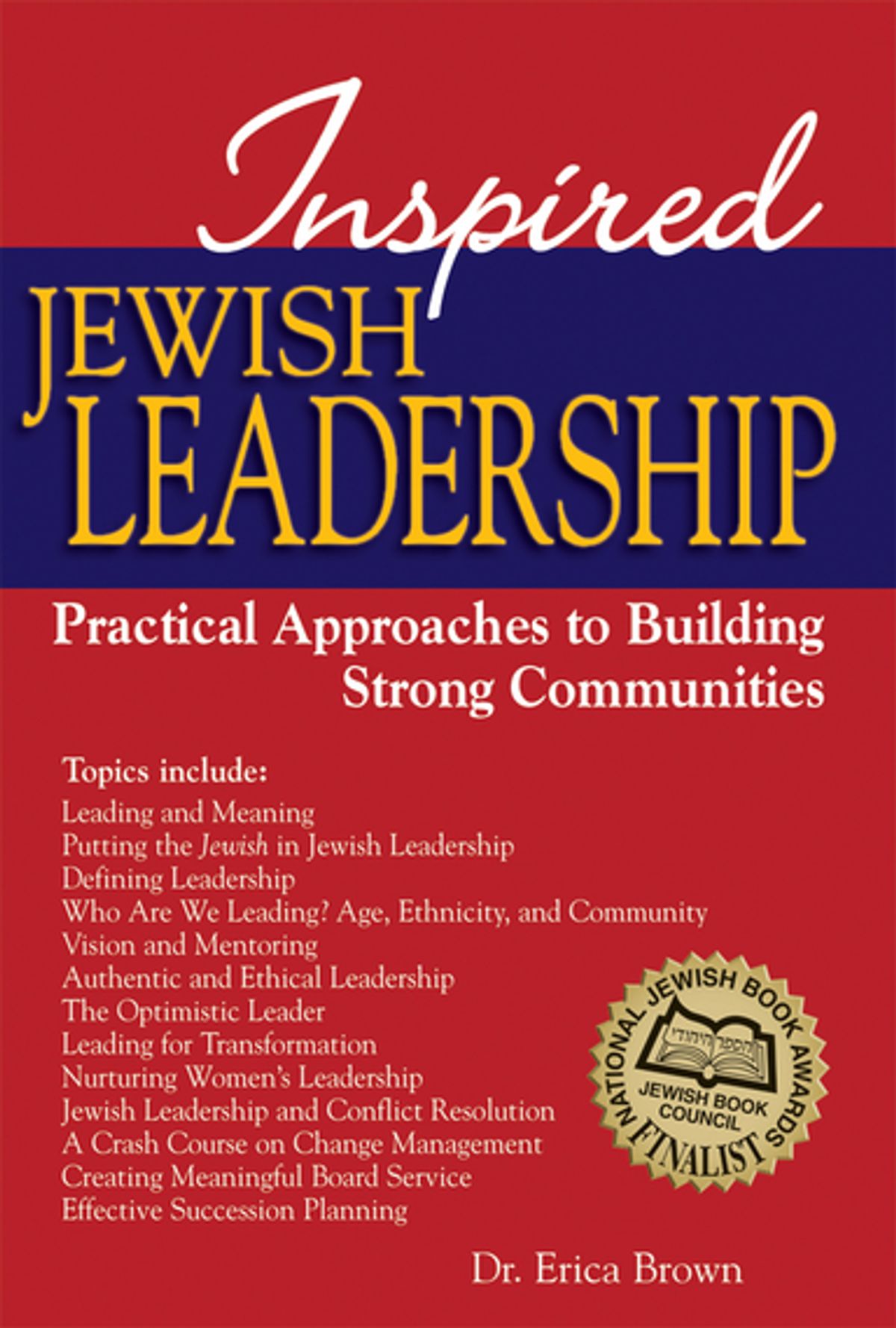
Leadership in the Wilderness represents years of studying and teaching leadership and years of studying and teaching the Hebrew Bible.


This book brings those worlds together through essays on a much neglected book of the Bible: the book of Numbers. Musicals have taught us Genesis. Movies have taught us Exodus, but only failure teaches us to read Numbers. The transition time between leaving oppression and arriving at the Promised Land took us to a desert that tested us and our leadership. That transition taught us a great deal about what it takes to prepare and confront uncertainty and how important vision is when you are not sure where you are or where you are going. It takes great leadership to rebuild trust after authority breaks down.


I have always been intrigued by power and powerlessness and how power within institutions works. Spending time in sacred pages helped me understand why truths about human adventures so long ago still hold truths about human nature today and how the wilderness is an apt and poignant metaphor for leadership.


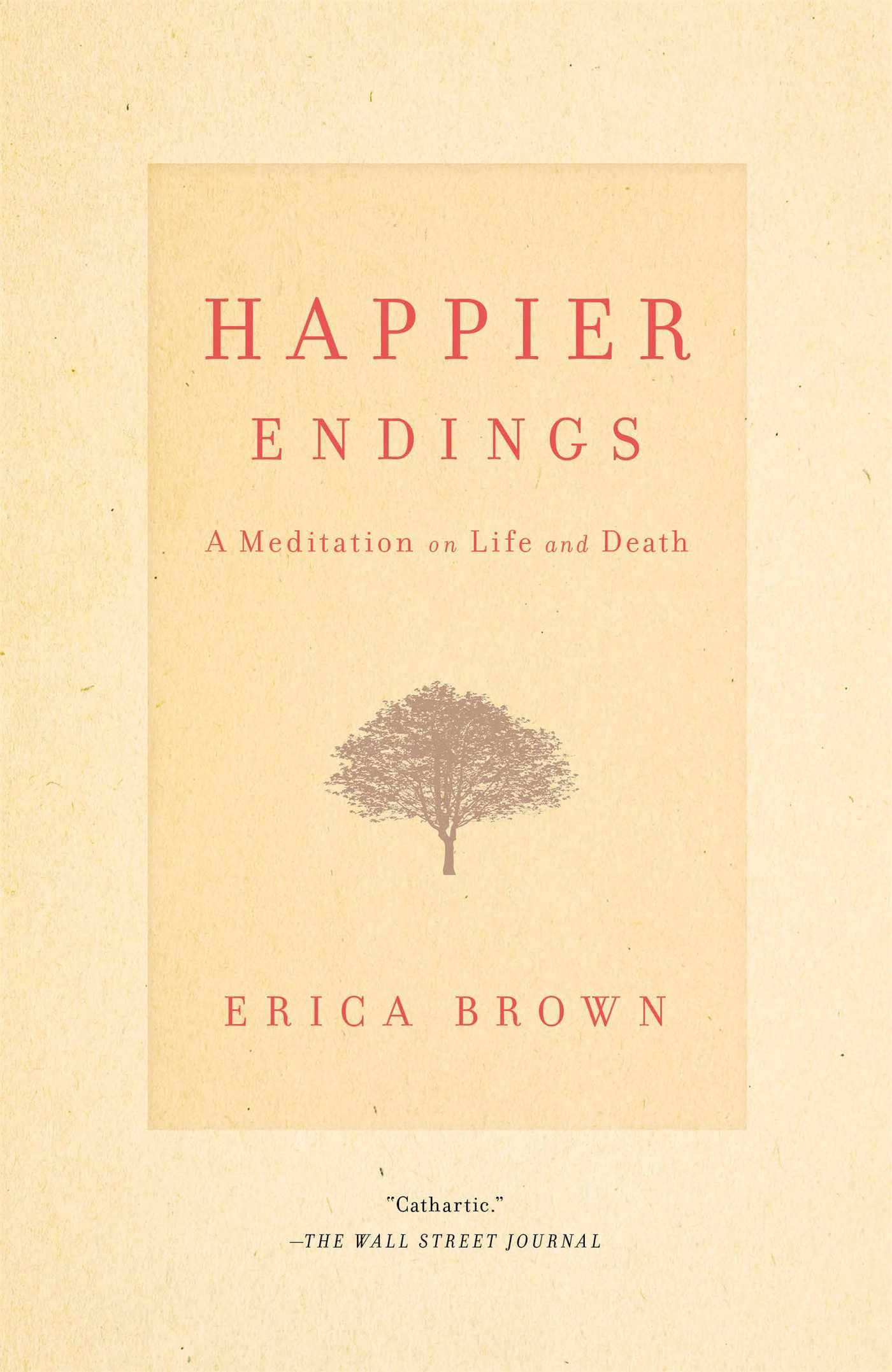
I loved writing Happier Endings. It was an experiment for me, and it took a lot out of me. Jon Karp from Simon and Schuster challenged me to write a book to help people die better. There must be a better way. Of course there must be, but what was it?


As always, when I write a book, I start by reading. I order a mountain of books on a subject, plow through them and try to organize my thoughts in relation to what others think. The first iteration of the book was pretty academic. I was still distant from the subject. Jon read it and said, "Stories, Erica. Stories." He was right. And so I had to let go of the words of others - the researchers and the textbooks - and instead enter the world of pain and suffering of friends and strangers. And what a remarkable universe it was.


Those strangers became friends, sisters and brothers who taught me how to how to die better and through forgiveness and regret, meaningful last words and last gifts, showed me how to live better.


This short quote on friendship packs a powerful punch. Without friendship, the quality of life dwindles. Friendship can save lives; we learn this both in BT Ta’anit 23a and read it in the book of Ruth. Naomi, powerless and alone, rebuilt her life because another woman even more powerless than she, made her a companion for life. Aristotle wrote that, “A friend is a second self, so that our consciousness of a friend's existence...makes us more fully conscious of our own existence.”

I thought, reflecting on the two central texts of Shavuot, to merge the Mount Sinai narrative with story of Ruth and Naomi.


The Ten Commandments of Friendship I’ve Learned from the Book of Ruth:


#1 Under-promise and over-deliver. Naomi tells Ruth not to follow her because she did not want to be responsible for Ruth’s welfare, nor would she be able to find her a husband. But she did, encouraging Ruth to glean in the fields of a relative and prompting Ruth to reach out to Boaz in chapter three. Too many times friends tell you they were going to do something nice but fail to deliver. Intentions are not the same as actions, not in law and not in friendship. It’s better to under-promise and over-deliver.

#2 Be a friend when times are tough. The friendship of Ruth and Naomi emerges from shared loss and shared companionship throughout loss. “Wherever you go, I will go ends with, “Wherever you die, I will die and there I shall be buried.” As people, we are often drawn to success and not distress. Note: friends remember who was there at a shiva and who was at a bedside during illness. They see through us when we do not make the time or effort.


Read More


Forthcoming Books

Happier Endings

Leadership in the

Wilderness

The Ten Commandments of Friendship


“Friendship or death.”

The Talmud


Email Newsletter icon, E-mail Newsletter icon, Email List icon, E-mail List icon Sign up for Weekly Jewish Wisdom
For Email Marketing you can trust

Erica@EricaBrown.com

"If your actions inspire others to dream more, learn more, do more and become more, you are a leader."                -John Quincy Adams